From Peaks to Tide: Alps–Adriatic Slow Design and Adventure

Today we step into Alps–Adriatic Slow Design and Adventure, celebrating thoughtful craftsmanship, soulful journeys, and the living dialogue between towering ridgelines and salt-bright harbors. Across Alpine valleys and Adriatic towns, makers, hikers, cyclists, and river runners move at a caring pace, honoring materials, communities, and landscapes. Expect stories rooted in larch and limestone, wool and winds, and the kind of mindful motion that lets every detail, stitch, and footfall matter more.

Where Mountains Meet the Tide

Between Austria’s high passes, Slovenia’s emerald valleys, and Italy’s salt-scented coves, the Alps–Adriatic corridor folds distance into intimacy. Peaks shed snowmelt into rivers that braid through vineyards, karst fields, and maritime markets. People here design with patience because the land invites listening: crickets in dry stone walls, chapel bells over larch, gulls gliding above terracotta roofs. Every journey gathers textures, and every texture suggests a way of living lightly.

Alpine dawn over slate and larch

First light touches slate roofs and larch beams that remember winters older than our quickest plans. In hamlets near Grossglockner or beneath Triglav’s shoulders, smoke curls slowly while joiners sharpen planes. That steadiness informs backpacks, stools, and trail signs meant to endure scuffs, thaw cycles, and celebrations. Hikers begin quietly, following cowbells and switchbacks, learning how the mountain edits excess and leaves only what truly serves.

Karst winds and limestone glow

Down on the Karst plateau, the bora wind scrubs the sky into glassy blue, carving habits into stone as surely as chisels do. Limestone farmhouses keep shadows cool; cellars shelter prosciutto, wine, and thoughtful tools repaired across generations. Designers borrow this resilience, shaping vessels, lamps, and hinges that respect porosity, mass, and breath. Even lunch pauses teach patience, as bread crust crackles against rosemary carried from a sun-stunned wall.

Harbors that remember

Trieste, Muggia, Piran, and Rovinj hold histories in ropes, rivets, and the soft oil of oars. Fishermen mend nets beside painters sanding hulls; a choreography of slowness that privileges fit, feel, and seaworthy judgment. Makers salvage marine bronze and sun-silvered planks, turning them into handles and benches with salt still whispering in their grain. Nightfall invites stories on quays, where adventure begins with maps smudged by olive oil and curiosity.

Loden, felt, and highland wool

Shepherds know that wool remembers weather. Loden, felt, and hand-spun yarns breathe through effort, shrugging off drizzle on a ridge and warming fingers during market dawns. Artisans full cloth patiently, shaping capes, satchels, and seat pads sized for cable cars, cabins, and coastal buses. Each stitch charts an elevation profile, transforming raw fiber into shelter that improves with mending. Wear marks record paths like soft topographic lines over shoulders and elbows.

Karst stone, Piasentina, and river-worn pebbles
Limestone from the Karst, Piasentina from Friuli, and smooth pebbles lifted respectfully from riverbanks ground interiors with earned authority. A slab becomes a mortar for mountain herbs; offcuts evolve into coasters mapping fossil ripples. Makers chamfer edges to keep fingertips curious and safe, letting hand and geology converse. Nothing shouts. Weight and texture do the explaining, anchoring furniture and courtyards to strata folded long before our earliest blueprints.

Alpe‑Adria Trail, stage whispers

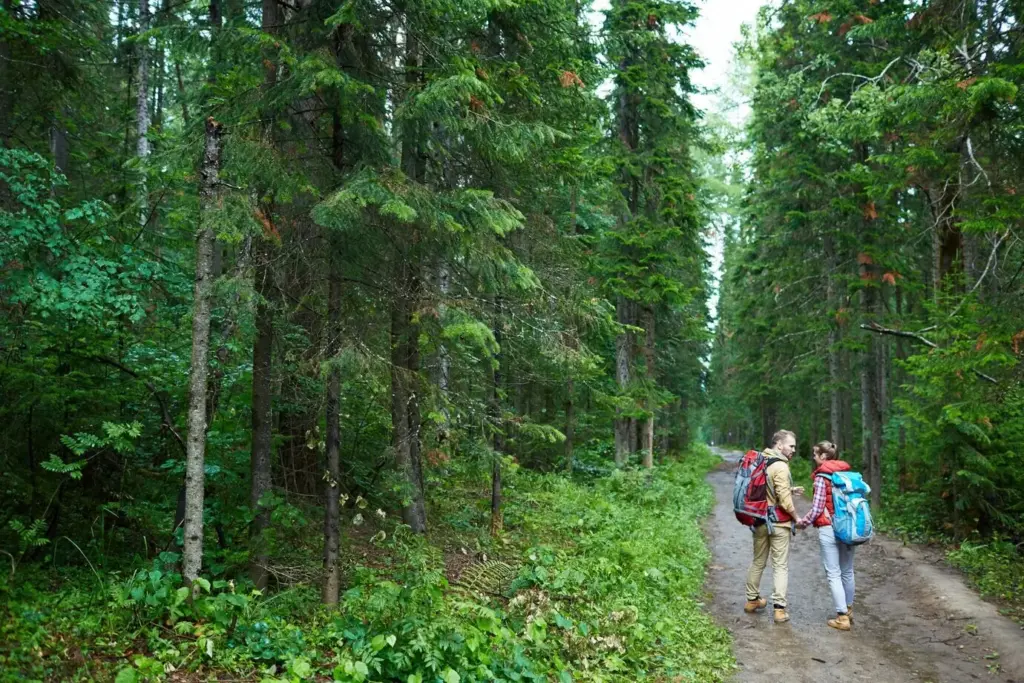
From glacier views near Austria’s highest giant to olive groves easing toward Muggia, the Alpe‑Adria Trail teaches how landscapes braid cultures. Each stage suggests a modest kit: bottle, layers, notebook, and patience. Benches made by local carpenters invite knees a break; milestones double as sketch tables. Waymarks become design briefs, asking, how might we build objects that guide quietly, endure kindly, and leave prints lighter than our gratitude?

Parenzana cycling line reborn

Once a narrow‑gauge railway, now a cycling ribbon curling from Trieste toward Poreč, the Parenzana demonstrates adaptive reuse at territorial scale. Tunnels funnel laughter and cool air; bridges frame vineyards and villages. Riders learn cadence over conquest, noticing handrails crafted by nearby smiths and café stools welded from retired rails. You finish with dust on calves, pockets full of baker recommendations, and a deeper respect for infrastructure that heals.

Footpaths to workshops

Tiny side streets in Gorizia, Cividale, Kobarid, and Štanjel reveal doorways where chisels rest on linen, not plastic trays. Visitors step gently, ask names, and receive stories: a teacup slip‑cast during snowmelt, a knife quenched at dusk. Purchasing becomes participation. Each object carries directions back to a path, a gate, a kitchen. Slow design turns buying into belonging, reminding travelers that adventure includes learning how neighbors make their mornings possible.
A chair from Manzano that outlived trends
In Manzano, generations bend ash into honest arcs, building seats that forgive muddy shorts and formal jackets alike. One family prototype survived three kitchens, two moves, and countless birthday candles. Its dowels were retightened, its seat re‑woven with local cord, and its finish refreshed using oil scented like hay. Design here ages like dialects: it absorbs our habits, then answers sturdily, inviting us to sit again without ceremony or apology.

Piran salt in glazed stoneware

Shallow pans in the Sečovlje saltworks crystallize brine under watchful sun, while potters nearby throw jars sized for fingertips, not scoops. The lid fits with a soft ceramic sigh, keeping humidity honest. On storm days, you remember the salt pans’ geometry and the clay’s spirals when seasoning soup. A small spoon rests across the rim, a bridge between sea patience and table gratitude, encouraging measured pinches rather than hurried shakes.

A pack crafted in Ljubljana for ridgelines

A workshop near the Ljubljanica stitches packs from waxed canvas and recycled sailcloth, balancing river breeze with ridge resilience. The maker hikes prototypes on Krn and Stol, then trims pockets until only useful gestures remain. A loop for poles, a sleeve for sketchbook, a patch field for repairs. Buying one includes a lifetime of spare buckles and conversations about map creases. The pack smells faintly of pine tar and optimistic mornings.

Designing with Patience

Slow design in this region refuses spectacle for its own sake. It asks who grows the fiber, where the stone respires, when the wood can be spared, and how far finished pieces must travel. It values repairability, modularity, and supply chains short enough to walk. Prototypes leave studios to climb hills, meet rain, and return wiser. Imperfections are treated as teachers, guiding refinements until an object finally feels like a good neighbor.

Prototypes that walk the mountains

Before a stool enters a dining room, it rides in a backpack to a hut above the Soča, sharing space with cheese and thermos. Will its legs quarrel with uneven planks? Can it be tightened with a coin? Field‑testing replaces guesswork with weather, footsteps, and laughter. Notes enter margins; joints get kinder; glides learn to forgive grit. By launch day, the object already knows how to behave when invited outdoors.

Time as a collaborator

Curing, seasoning, and drying refuse modern impatience. Makers lean into seasons: wool felts better on damp afternoons; olive wood stabilizes across two winters; limewash deepens while cicadas practice scales. Scheduling honors biology and physics, which turns deadlines into dialogues. Customers are welcomed into the calendar, receiving updates shaped like almanacs. The result carries calm: surfaces that do not panic under scratches, seams that sigh rather than snap, and colors that earn their glow.
Routes for Brave, Curious Wanderers
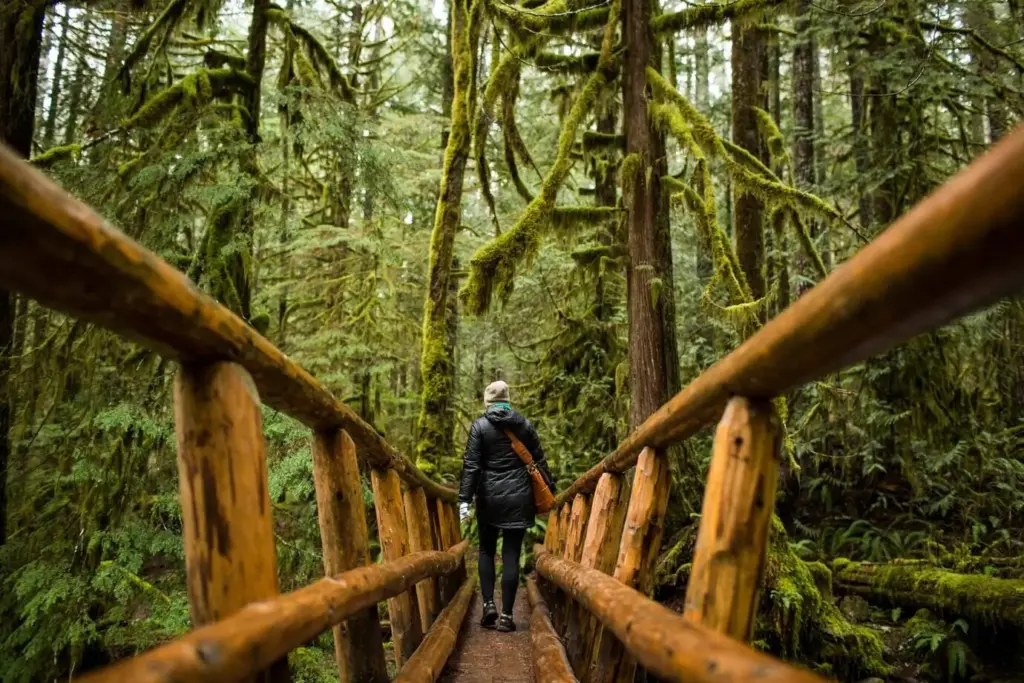
Adventure here is not conquest; it is communion with altitude, water, and wind. Safety, etiquette, and local knowledge matter as much as thrill. Via ferrata ladders offer access without entitlement. Rivers demand respect for levels, temperatures, and habitat. Coastal micro‑journeys thread swims with espresso pauses. Each outing is also a design class, revealing how clever gear, generous trail work, and transparent signage transform difficult terrain into welcoming, shared experience.

Julian Alps via ferrata etiquette

Clip before you climb. Test every rung like a handshake. Let faster parties pass at anchors with a nod and a grin. Helmets, gloves, and humility protect more than headlines. Routes above Kranjska Gora or near Mangart sing in steel tones, reminding us to thank those who bolted, brushed, and mapped. At day’s end, wipe dust from your carabiners, then from your smile, both polished by weather and awareness.

Soča River, emerald lessons

The Soča dazzles in glacier‑fed blues that lure photographers and kayakers equally. Guides teach ferry angles, throw‑bag drills, and how to read boily tongues of current. Wetsuit seams pinch differently in spring and autumn; boots remember gravel with patient squeaks. Between rapids, quiet coves invite contemplation of fish shadows and rounded stones. Respect flows both ways: leave no litter, share eddies, and offer warm tea to someone shivering braver than planned.

Join the Circle

Share your path

Leave a story about the saddle where you finally slowed down, or the village square where a chair invited you to linger. Tell us who taught you to patch wool or brew alpine tea. Post photos of scuffed packs and smiling friends. We will gather these traces into maps and gentle challenges that nudge others to travel kindly, learn locally, and return with gratitude instead of trophies.

Field notes newsletter

Sign up to receive lightweight letters stitched from recent hikes, studio visits, and riverside sketches. Expect links to thoughtful gear, interviews with patient makers, and annotated maps for weekends that move the soul more than the odometer. We promise no noise: only seasonal rhythms, practical checklists, and invitations to community calls where your questions, corrections, and inspired detours shape what we explore next together.

Collaborate with makers

If you craft in the Alps–Adriatic region, write with your materials, methods, and one lesson the weather taught you. We welcome residencies, pop‑up workshops, and shared prototypes that need mountain miles or salt spray. Together we can document processes, publish repair guides, host skill exchanges, and pilot circular supply chains. The result will be tools and stories strong enough to serve neighbors we have yet to meet.
Zeralumaloromiradexo
Privacy Overview

This website uses cookies so that we can provide you with the best user experience possible. Cookie information is stored in your browser and performs functions such as recognising you when you return to our website and helping our team to understand which sections of the website you find most interesting and useful.